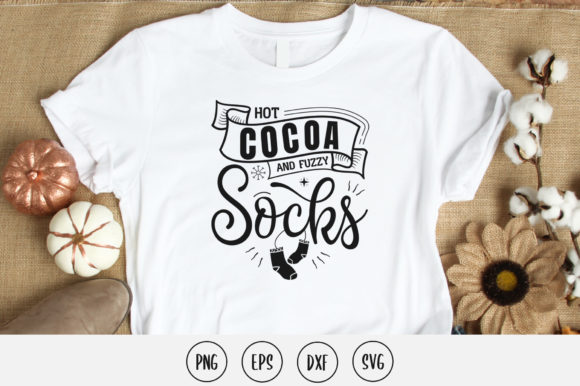
Hot Cocoa and Fuzzy Socks Svg Design Review
As a designer who spends more time staring at stitch charts than sleeping, I have developed a certain level of skepticism when it comes to new digital assets. We are all inundated with trendy graphics every day, but few translate well from a screen to the needle plate. Today, I am evaluating the Hot Cocoa and Fuzzy Socks Svg Design for its potential in real-world embroidery projects. This isn’t just about whether it looks cute on Instagram; it is about whether it holds up under the tension of an embroidery hoop, how it interacts with fabric textures, and if it adds tangible value to a handmade product or commercial line.
First Impressions: Mood and Visual Personality
The moment you open the file, the mood is immediately established. The theme revolves around comfort, warmth, and cozy winter aesthetics. In the world of craft business items, especially those targeting the holiday season or autumn/winter markets, this emotional connection is vital. The design features playful lettering paired with imagery that suggests relaxation—think steaming mugs and soft textiles.
From a layout perspective, the balance between text and graphic elements feels intentional. It avoids the cluttered look that plagues many budget-friendly digital embroidery files. The visual personality is approachable and friendly, making it ideal for products that aim to evoke a sense of home and safety. For an Etsy seller or a maker looking to create personalized gifts, this design hits the right notes without feeling overly childish or too mature. It sits comfortably in that sweet spot of universal appeal.
Real-World Application: Where Does This Fit?
Let’s move past the screen and imagine this design stitched onto actual materials. I ran several mental simulations based on common embroidery project types to see where this machine embroidery design would shine.
- Custom Apparel: This design excels on sweatshirts and hoodies. The chunky nature of the "fuzzy socks" theme pairs perfectly with the heavy texture of fleece or cotton blends. When placed on the chest of a unisex pullover, it creates an instant custom apparel piece that feels curated rather than mass-produced.
- Tote Bags and Aprons: Canvas and heavy-duty cotton provide a stable foundation for this type of lettering. The contrast between the sturdy fabric and the soft imagery of the design creates a pleasing tactile juxtaposition. It works exceptionally well as a tote bag design for coffee shops or as a branded item for a boutique kitchen line.
- Baby Items and Nursery Decor: The gentle theme makes it suitable for baby blankets or onesies. However, here we must be cautious about scale. On a small garment, the details need to remain legible. If used for baby embroidery, ensuring the lettering isn't too cramped is key to maintaining that professional finish.
- Holiday Gifts and Patches: This is perhaps its strongest use case. As a holiday embroidery accent on a pillow cover or a festive apron, it adds immediate seasonal value. It also translates well to an embroidered patch that can be ironed or sewn onto denim jackets, offering versatility for small shop product lines.
Technical Considerations and Stitch Behavior
Designing for print is one thing; designing for stitch is another. The transition from vector to thread introduces variables like stitch density and hoop size limitations. While the source material indicates this is a versatile printable mockup asset compatible with various cutting machines, its success in embroidery depends heavily on execution.
When evaluating the lettering, I looked for clarity. Complex scripts often suffer from thread breaks or puckering if the stitch density is too high. This design appears to favor clean lines and readable fonts, which reduces the risk of distortion. However, designers should always inspect the smaller details. If there are tiny decorative accents, they may get lost in the fabric texture unless a high-quality thread is used.
The choice of thread colors will make or break this design. Hot cocoa browns, creamy whites, and deep reds or greens will enhance the cozy vibe. Using metallic threads might detract from the "fuzzy" aesthetic, so sticking to matte, cotton-blend threads is recommended to maintain authenticity. Always test your color palette against your chosen fabric before committing to a full production run.
Fabric and Stabilizer Strategy
The stability of your base material is crucial. This design performs best on medium-to-heavy weight fabrics. Thin fabrics like silk or lightweight rayon may require extensive backing to prevent the design from pulling the material into the hoop. A cut-away stabilizer is generally the safest bet for garments that will undergo frequent washing, ensuring the finished product retains its shape over time.
For stretchy knits, such as those found in sweatshirts or athletic wear, a tear-away or wash-away stabilizer might cause distortion if not hooped tightly enough. I recommend using a combination of top and bottom stabilization for any commercial embroidery work involving knit fabrics to ensure the embroidery file lays flat and smooth.
Pitfalls to Avoid: Where Caution Is Needed
Even the best designs have their limits. There are specific scenarios where this graphics asset might struggle:
- Small Hoop Sizes: If you are working with a compact machine or trying to fit this design on a child's hat brim, the overall dimensions may exceed the hoop capacity. Always check the digitized dimensions against your machine’s specifications.
- Curved Surfaces: Embroidering on caps or curved tote bags requires advanced skills. The lettering, being the focal point, needs a relatively flat plane to remain readable. Distortion on a curve can make the quote look warped and unprofessional.
- Dense Stitch Areas: If the design includes large fill stitches, it may become stiff and uncomfortable to wear, particularly on baby clothes or delicate scarves. Assess the coverage area; sometimes less is more when it comes to comfort.
- Dark Fabrics: If stitching light-colored threads on dark fabric, ensure you are using a dense enough stitch pattern to hide the background color. Otherwise, the design may look patchy and unfinished.
Final Verdict: Value and Professionalism
The Hot Cocoa and Fuzzy Socks Svg Design offers strong potential for both hobbyists and professional design assets creators. Its strength lies in its relatability and clear visual hierarchy. It doesn’t try to do too much, which allows it to integrate seamlessly into various product categories.
For the craft business owner, this design supports high perceived value. A well-executed embroidered mug cozy or a personalized throw blanket featuring this motif can command a premium price because it feels thoughtful and custom-made. It enhances brand consistency for shops focused on lifestyle, home goods, or winter fashion.
Before integrating this into your workflow, I strongly advise testing the design on scrap fabric. Check the thread colors for contrast, verify the hoop size fits your intended product, and inspect the stitch density for any potential issues. Confirm your licensing rights, especially if you plan to sell finished items or include this in a digital bundle. By taking these practical steps, you ensure that the final output matches the quality of the digital preview, securing customer trust and repeat business.
In summary, this is a reliable, mood-appropriate design that rewards careful execution. It is a solid addition to any designer’s library for cozy-themed collections.