Keep Talking I Am Diagnosing You Svg Review
As a designer who spends half the day tweaking kerning and the other half troubleshooting stitch density issues, I approach every new digital asset with a healthy dose of skepticism. The market is flooded with clip art that looks great on a screen but falls apart under the needle. Recently, I pulled Keep Talking I Am Diagnosing You Svg into my workflow to see if it holds up in real-world production environments. This isn't just another novelty quote; it’s a statement piece that requires careful handling to ensure the final product feels professional rather than cheap.
The core appeal of this design lies in its attitude. It taps into a very specific cultural moment where humor meets mental health awareness, creating a vibe that is both relatable and slightly rebellious. For crafters and small business owners, this translates to high engagement potential. Customers don’t just buy embroidery; they buy identity. When someone wears a sweatshirt or carries a tote bag with this message, they are signaling their personality. My job as a reviewer is to determine if the technical execution of the file supports that emotional connection.
First Impressions and Visual Personality
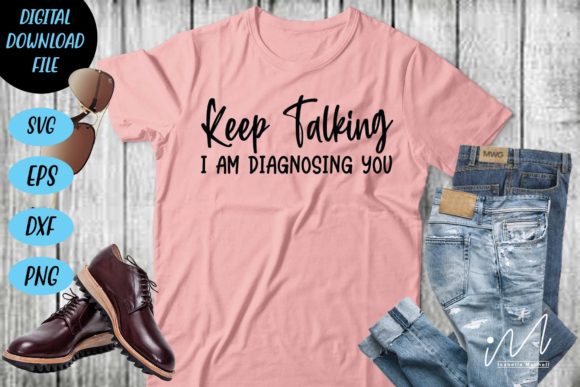
When I first opened the vector files for Keep Talking I Am Diagnosing You Svg, the layout struck me as bold and confident. The typography is the hero here, which is standard for quote-based designs, but the balance between the text blocks is crucial. In many low-quality SVGs, the letters feel cramped or unevenly spaced, leading to a muddy appearance when stitched. Here, the spacing allows the eye to travel smoothly across the phrase without getting stuck.
The mood created by the design is sharp and witty. It works exceptionally well for apparel decorators targeting a younger demographic or professionals in creative fields who appreciate dry humor. Whether you are producing custom apparel for a corporate retreat or handmade products for an Etsy listing, this design adds a layer of sophistication to what could otherwise be a generic gift item. It feels less like a sticker slapped onto fabric and more like an intentional graphic choice.
Real-World Application: The Tote Bag Test
To truly evaluate this design, I simulated a common use case: a custom embroidered tote bag for a boutique client. Tote bags are deceptively difficult because the canvas can shift, and the surface area often encourages large, sprawling designs. I placed Keep Talking I Am Diagnosing You Svg centrally on a heavy-duty cotton canvas.
The result was striking. The design anchored the bag perfectly. Because the text is dense and substantial, it didn't get lost against the textured fabric. However, this scenario highlighted a critical consideration for stitch density. If your machine tends to run hot or if your thread tension is loose, this level of text density might cause puckering on lighter fabrics. For a sturdy tote, it held its shape beautifully, suggesting that this design is ideal for structured items where stability is key. It elevates a simple accessory into a branded statement piece, increasing the perceived value of the finished product.
Performance Across Different Media
While the tote bag was a success, versatility is the true test of any embroidery file. I explored how Keep Talking I Am Diagnosing You Svg performs in other contexts:
- Sweatshirt Embroidery: On fleece or French terry, the design stands out vividly. The contrast between the plush fabric and the crisp stitches creates a tactile experience that customers love. It works particularly well as a chest logo or a centered back print.
- Baby Embroidery: This is where caution is required. While the sentiment might appeal to parents with a sense of humor, the size of the text needs to be scaled down carefully. On baby clothes, smaller hoop sizes limit the detail resolution. If the letters become too small, the satin edges may blur, losing the sharpness that makes the design effective.
- Embroidered Patch: Converting this into a patch format is a smart move for commercial embroidery projects. Patches allow for a clean border that frames the text, making it suitable for jackets, caps, and hats. The strong visual hierarchy ensures readability even from a distance.
- Kitchen Towels and Aprons: For home decor enthusiasts, this design brings personality to the kitchen. It serves as a perfect personalized gift for chefs or foodies who enjoy dark humor. The durability of the stitches means it will withstand frequent washing, a key factor for functional textiles.
Where to Exercise Caution
No design is flawless, and understanding the limitations of Keep Talking I Am Diagnosing You Svg is part of responsible design practice. There are specific scenarios where this file might struggle:
- Small Hoop Sizes: As mentioned, tiny lettering loses definition. Avoid using this design for detailed accents on items like socks or delicate handkerchiefs unless you are prepared to simplify the font weight.
- Stretchy Fabrics: Jersey knits and thin synthetics require aggressive stabilizers. Without proper support, the tension of the satin stitch lines can distort the fabric, causing the text to wave or ripple.
- Dense Stitch Areas: If the design relies heavily on fill stitches for background elements (depending on the specific version of the SVG), you risk creating a stiff, cardboard-like texture. Always check the stitch direction to prevent bulkiness.
- Curved Surfaces: Applying this to a curved cap front requires precise digitizing adjustments. If the text doesn't follow the curve naturally, it will look disjointed.
Practical Designer Notes for Execution
Before committing to a full production run, I recommend taking these steps to ensure quality control:
- Test on Scrap Fabric: Never assume a design will work on your target material without a trial. Test Keep Talking I Am Diagnosing You Svg on the actual fabric you plan to sell. This reveals issues with thread pull, color bleeding, or fabric distortion early.
- Check Thread Color Contrast: The impact of this design relies heavily on legibility. Ensure there is sufficient contrast between your thread colors and the fabric. A light gray thread on white fabric will vanish, while black on black will disappear entirely.
- Review Stitch Density: Look closely at the corners of the letters. Are they sharp? Does the running stitch connect smoothly? Poorly executed corners can make a professional design look amateurish.
- Black and White Mockups: Convert your digital preview to grayscale. This helps you assess the balance of the design without being distracted by color choices. If the shapes merge together in black and white, they will likely merge in color.
- Stabilizer Selection: Use the appropriate stabilizer for your fabric type. Cut-away stabilizers are generally safer for stretchy materials, while tear-away works well for stable wovens.
Final Verdict on Value and Appeal
Ultimately, Keep Talking I Am Diagnosing You Svg is a strong addition to any craft business inventory. It bridges the gap between trendy internet culture and tangible craftsmanship. For Etsy sellers and small shop product creators, it offers a unique selling proposition that differentiates them from competitors offering generic quotes.
The design enhances brand consistency by providing a recognizable, bold aesthetic. It builds customer trust because it shows attention to detail and a willingness to engage with modern sentiments. When presented correctly, it transforms a simple textile into a conversation starter.
However, remember that the file is just the starting point. The magic happens in the execution. By respecting the technical requirements—hoop size, fabric choice, and stitch quality—you can turn this SVG into a best-selling finished product. Whether you are designing for holiday gifts, wedding favors, or everyday wear, this design has the potential to resonate deeply with buyers who appreciate wit and style. Just always verify the licensing terms before scaling up for mass commercial production.