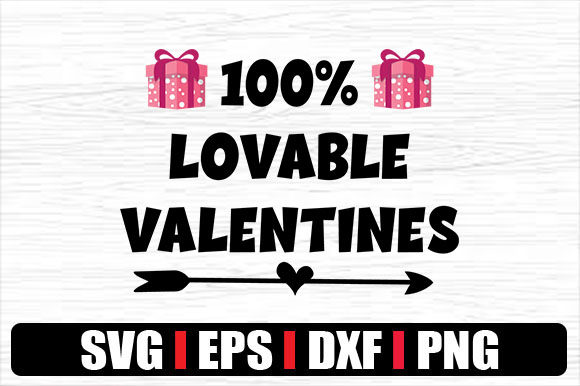
Review: 100 Lovable Valentines for Embroidery
When I sit down to evaluate a new batch of designs, I am rarely looking for just "pretty." I am looking for viability. As an embroidery designer and reviewer, my job is to determine if a file will hold up under the needle, translate well into a tangible product, and justify the time it takes to stitch it out. Today, I am putting 100 LOVABLE VALENTINES through that exact gauntlet. This collection falls squarely into the Crafts and Graphics categories, specifically targeting those who need high-quality vector SVG files and transparent PNGs for a variety of applications.
The market for Valentine’s Day merchandise is saturated. To succeed, especially as an Etsy seller or small shop owner, you need designs that offer immediate visual appeal but also possess structural integrity when converted into a machine embroidery design. My review focuses on how this asset performs in real-world scenarios, from custom apparel to delicate baby items.
First Impressions and Visual Personality
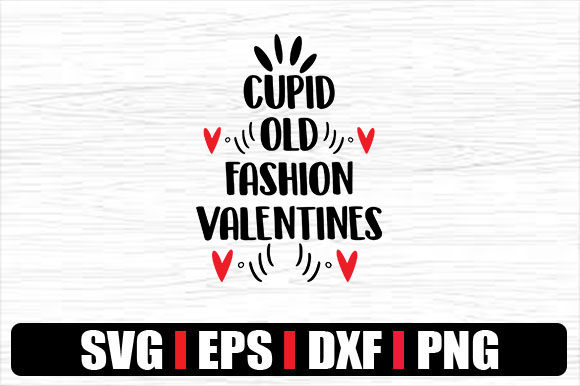
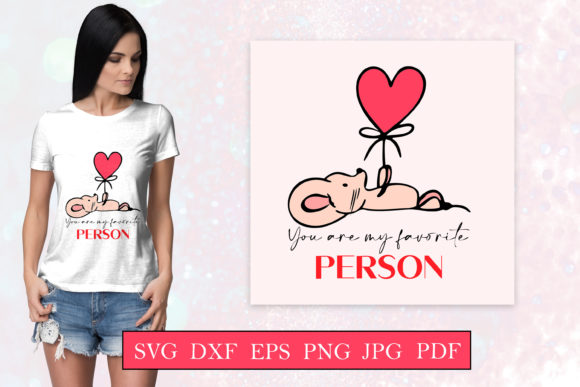
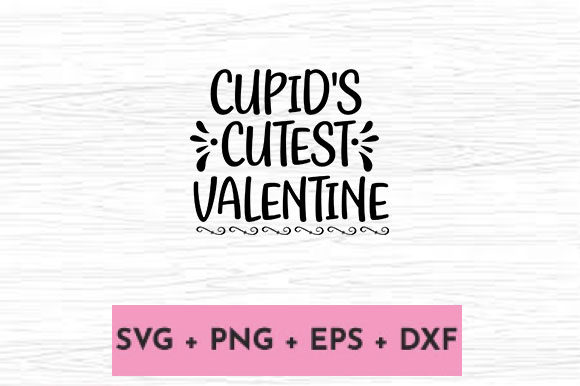
At first glance, 100 LOVABLE VALENTINES strikes me as a versatile toolkit rather than a single cohesive artwork. The title suggests a broad range of options, which is crucial for designers who need to cater to diverse customer tastes. Whether you are creating a bold statement piece for a sweatshirt or a subtle detail for a tea towel, having a library of quotes and sayings allows for greater personalization.
The mood created by these designs tends toward the sentimental and the celebratory. In embroidery, sentimentality works best when the typography is legible and the supporting graphics are clean. Because these are vector-based assets, the lines should remain crisp, which is a significant advantage when scaling the design for different hoop sizes. For an embroidery project, this means fewer jagged edges and a more professional finished product.
I immediately see potential here for holiday embroidery projects that need to stand out on a craft fair table. The inclusion of quote sayings adds a layer of depth that simple shapes lack; it gives the wearer or recipient something to read and connect with. This emotional hook is vital for handmade products that aim to become personalized gifts.
Real-World Application: From Screen to Stitch
Let’s move beyond the digital preview and talk about application. Imagine you are preparing a custom embroidered tote bag design for a boutique client. You want something that looks good flat but holds up to daily use. 100 LOVABLE VALENTINES offers the graphic elements necessary for this. However, the transition from a digital embroidery file to a stitched reality requires careful planning.
For custom apparel, such as t-shirts and hoodies, these designs can serve as excellent focal points. If you are using them for sweatshirt embroidery, the larger canvas area allows you to play with scale. You might take one of the smaller quote graphics and enlarge it to cover the chest area, using a satin stitch outline to give it definition against the fabric texture. Conversely, for baby clothes, you would likely select a smaller, softer element from the collection, perhaps a heart shape combined with a short phrase, stitching it onto a onesie cuff or bib.
I also envision these assets working beautifully for aprons and kitchen towels. These are staple items in many households, and adding a touch of seasonal flair with a Valentine’s theme can increase their perceived value. When designing for these items, the contrast between the thread colors and the fabric background becomes paramount. A light-colored apron might require darker, richer threads to make the design pop, whereas a dark denim apron could handle pastel tones effectively.
Another strong use case is the creation of embroidered patches. Whether used for caps, hats, or as decorative accents on bags, patches allow you to isolate specific elements from the 100 LOVABLE VALENTINES collection. This modular approach is smart for commercial embroidery because it lets you mix and match elements to create unique variations without needing entirely new files.
Where Caution Is Required
No design is universally perfect, and there are specific situations where 100 LOVABLE VALENTINES needs careful handling. Small hoop sizes present a challenge for any design containing intricate details or dense text. If the quote includes tiny lettering, you must inspect the design closely to ensure the stitches do not merge into an illegible blob. Always test the design on scrap fabric first to check for clarity.
Textured fabrics, such as chunky knits or heavy wools, can distort fine lines. In these cases, the stability of the underlying fabric matters less than the tension of the thread. If you are embroidering on stretchy fabrics like jersey or spandex blends, you will need a stabilizer that provides enough support to prevent puckering without being too rigid. A tear-away stabilizer might suffice for light stress areas, but a cut-away is often safer for garments that will be stretched during wear.
Dense stitch areas are another point of concern. If a particular design element relies heavily on fill stitch, it may become stiff and uncomfortable, particularly on items like pillow covers or blankets that need to remain soft to the touch. In such instances, reducing the stitch density or switching to a running stitch outline can improve comfort while maintaining visual impact.
Impact on Product Value and Brand Consistency
Using high-quality assets like 100 LOVABLE VALENTINES directly influences customer trust. Buyers can often tell the difference between a mass-produced, low-resolution print and a carefully executed embroidery. When your finished product shows clean edges, consistent tension, and thoughtful color placement, it signals professionalism. This is especially important for digital product sellers who provide printable mockups. Your mockups need to accurately represent what the final item will look like, and having clear vector sources ensures your previews are sharp and appealing.
Furthermore, these designs support brand consistency. If you run a craft business, you likely have a specific aesthetic—be it rustic, modern, or whimsical. Having a library of compatible graphics allows you to maintain that aesthetic across different product lines, from wedding gifts to nursery decor. When a customer sees a cohesive style, they are more likely to return for future purchases.
Practical Designer Notes for Success
To get the most out of this collection, I recommend following a few practical steps before committing to a full production run:
- Test on Scrap Fabric: Never assume a design will stitch perfectly based on the screen. Test it on the actual fabric type you plan to use.
- Check Thread Color Contrast: Ensure the chosen thread colors provide sufficient contrast against the fabric. Light-on-light or dark-on-dark combinations can disappear visually.
- Review Stitch Density: Adjust the density settings in your embroidery software if the design feels too heavy or too sparse for the intended garment.
- Confirm Hoop Size: Make sure the design fits within your standard hoop sizes to avoid unnecessary trimming or re-hooping.
- Inspect Small Details: Zoom in on the vector file to identify any tiny elements that might not translate well to thread.
- Test Black and White Mockups: Convert your design to black and white to check its silhouette and balance without the distraction of color.
- Verify Licensing: Before selling finished items or digital products, confirm the licensing terms associated with 100 LOVABLE VALENTINES. Commercial use rights vary, and understanding these limits protects your business.
In conclusion, 100 LOVABLE VALENTINES is a robust resource for anyone involved in the creative economy. Its versatility makes it suitable for everything from quick personalized gifts to complex commercial embroidery projects. By approaching it with the right technical preparation and an eye for detail, you can transform these digital graphics into beloved physical treasures.