Some Bunny Loves Me Embroidery Review
As a designer who spends more time than I care to admit staring at stitch charts and testing thread tensions, I don’t just look for "cute" when evaluating a new machine embroidery design. I look for viability. Does it hold up on the hoop? Will it survive the wash cycle of a toddler’s life? And most importantly, does it translate well into a handmade product that customers actually want to buy?
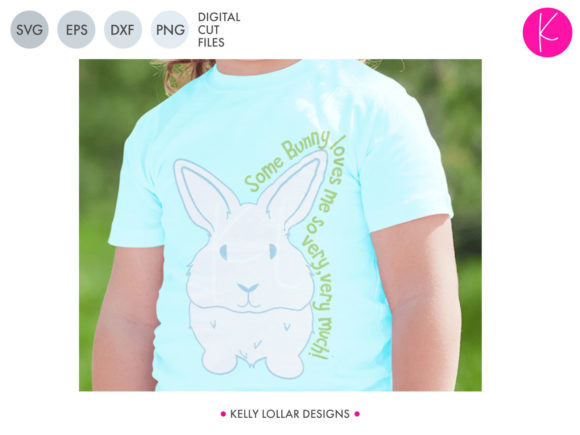
This is where Some Bunny Loves Me comes in. Marketed primarily as a cute bunny wrapped with a quote for children’s Easter shirts, this piece sits squarely in the Crafts and Graphics categories. But beyond the festive label, there is a specific visual personality here that demands a closer look. I’ve been thinking through how this design would perform in real-world scenarios—from boutique holiday collections to personalized baby gifts—and I want to share my practical assessment before you load it into your machine.
The First Impression: Mood and Visual Personality
When you first open the file or view the preview, the immediate takeaway is warmth. The phrase Some Bunny Loves Me So Very Very Much isn’t just text; it’s an emotional hook. For designers targeting the Etsy seller or small shop product market, this kind of sentimentality sells. It triggers that "aww" factor that drives impulse buys during the spring season.
Visually, the layout balances a central graphic element—the bunny—with supporting typography. In my experience, designs that combine character art with quotes can sometimes feel cluttered if not executed with precision. However, Some Bunny Loves Me seems to prioritize readability and charm over excessive detail. The mood is soft, playful, and distinctly seasonal. It feels less like a generic clip-art import and more like a cohesive embroidery project designed with intent. This cohesion is crucial for maintaining brand consistency in your craft business.
Real-World Application: Where This Design Shines
I’ve been mentally placing this design across various custom apparel items to see where it fits best. Here is how I envision it performing in actual production:
- Holiday Embroidery & Seasonal Gifts: This is the obvious home for this design. Whether it’s for an Easter basket tag, a church program cover, or a family matching outfit, the theme is timely. As a digital embroidery file, it allows for quick turnaround times during the peak spring rush.
- Baby Embroidery & Nursery Decor: The gentle nature of the bunny makes it perfect for personalized gift items like muslin blankets, hooded towels, or nursery wall hangings. Parents are looking for soft aesthetics, and this design delivers that without being overly aggressive in its visual noise.
- Tote Bag Design & Apparel: Imagine this centered on a canvas tote bag for a spring market or embroidered on the pocket of a child’s denim jacket. The size and shape likely lend themselves well to these applications, offering a focal point that doesn’t overwhelm the garment.
- Commercial Embroidery Projects: For those running a small business, versatility is key. If the digitizing is clean, this design can be scaled down for embroidered patches used on backpacks or hats, expanding its utility beyond just shirts.
The ability to use this in multiple contexts increases its value as a design asset. It’s not just a one-trick pony; it’s a flexible tool for creative entrepreneurs.
Technical Considerations and Stitch Performance
Now, let’s talk about the nuts and bolts. A beautiful concept means nothing if the stitching falls apart. When reviewing any embroidery file, I always consider how different stitch types interact with fabric.
Given the description of a "wrapped" bunny and a quote, we can expect a mix of stitch types. You will likely encounter satin stitch for outlines and lettering, which provides a crisp, professional edge. The bunny’s body might utilize fill stitch for coverage, while smaller details could use running stitch for whiskers or accents. The key here is stitch density. If the fill is too dense, the fabric may pucker, especially on lightweight materials. If it’s too sparse, the backing material might show through, ruining the finished product quality.
I also pay close attention to thread colors. The contrast between the bunny and the background fabric is critical. On dark fabrics, you’ll need underlay stitches to make the colors pop. On light fabrics, the vibrancy of the threads will define the aesthetic. Always test your color palette against your intended fabric swatch before committing to a full run.
Where to Use It Carefully
No design is universal, and Some Bunny Loves Me has limitations based on its complexity and theme. Here are areas where you should exercise caution:
- Small Hoop Sizes: If the design includes extensive text or large graphic elements, forcing it into a tiny hoop (like 4x4 inches) might result in cramped spacing or cut-off details. Check the recommended hoop size carefully.
- Textured or Stretchy Fabrics: While this design looks great on stable cotton or canvas, applying it to highly textured fabrics (like bouclé) or stretchy knits without proper stabilization can lead to distortion. The lettering, in particular, needs a flat surface to remain legible.
- Curved Surfaces: Attempting to embroider this directly onto a curved cap or sleeve cuff requires advanced technique. The perspective shift can warp the "wrapped" effect of the bunny. Stick to flat surfaces for the best results.
- Frequent Washing: If this is for baby clothes or aprons, ensure the stabilizer residue is removed properly. Poorly washed-out stabilizer can make a high-quality handmade product feel stiff and cheap.
Practical Designer Notes for Success
To get the most out of this design, I recommend following a strict pre-production checklist. This isn’t just about avoiding mistakes; it’s about elevating your work from hobbyist to professional.
- Test on Scrap Fabric: Never assume a design works perfectly on your final material. Run a test stitch on a scrap of the exact same fabric and stabilizer combination you plan to use.
- Check Black and White Mockups: Convert your digital preview to black and white. This helps you assess the contrast and balance of the design independent of color distractions. Does the bunny stand out clearly against the text?
- Verify Licensing: Before listing this as a small shop product or selling finished items, double-check the license terms. Are you allowed commercial use? Can you sell unlimited quantities? Clarity here protects your craft business from legal issues.
- Inspect Small Details: Zoom in on the digital file. Are the letters sharp? Is the bunny’s expression clear? Tiny errors become glaring defects once stitched.
- Compare Light vs. Dark Backgrounds: Create printable mockups on both white and colored backgrounds. This helps you visualize how the thread colors will interact with different customer preferences.
Final Verdict
Some Bunny Loves Me is a strong contender for anyone looking to add a touch of springtime charm to their inventory. It strikes a good balance between whimsical graphics and readable sentiment, making it ideal for holiday embroidery projects and personalized gifts. Its appeal lies in its emotional resonance—it’s not just a bunny; it’s a message of love.
However, success depends entirely on execution. Your choice of fabric, stabilizer, and thread will determine whether this ends up as a cherished keepsake or a forgotten craft fair item. By treating it with the same rigor you would any high-stakes commercial embroidery job, you’ll ensure that the final product reflects the care and quality your customers expect. If you’re ready to embrace the season with a design that feels both professional and heartfelt, this is a worthy addition to your design assets library.