When the Wells Dry Quote Water Embroidery Review
As a designer who has spent years troubleshooting stitch errors and optimizing layouts for commercial production, I don’t just look at an embroidery file; I look at how it will behave under the needle. When evaluating When the Wells Dry Quote Water, my primary focus is on its viability for real-world application. This isn't just about aesthetics; it is about structural integrity, marketability, and the final tactile experience of the handmade product. The description suggests this design is meant to "liven up your water day season," which immediately signals a niche but passionate audience. Whether you are an Etsy seller looking for seasonal inventory or a crafter preparing personalized gifts, understanding the practical nuances of this machine embroidery design is crucial before committing to a full run.
First Impressions and Visual Personality
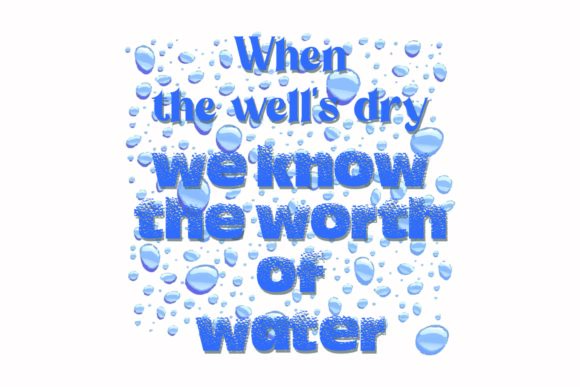
The moment you load the embroidery file into your digitizing software, the layout sets the tone. The phrase "When the Wells Dry" carries a weight of resilience and nostalgia, while the inclusion of "Water" and the accompanying quote about love creates a juxtaposition between scarcity and abundance. Visually, this design likely leans toward a typographic or mixed-media aesthetic. For designers, the challenge with text-heavy Graphics in embroidery is legibility. Does the font choice hold up when stitched? Is the kerning tight enough to prevent thread breaks but loose enough to maintain readability?
The mood created here is warm, slightly rustic, and deeply personal. It feels like something that belongs on a linen tea towel or a heavy cotton tote bag rather than a sleek athletic jersey. The visual personality suggests a connection to home, community, and sustainability. This makes it an excellent candidate for custom apparel that tells a story. If the design includes decorative elements surrounding the text, they should complement the message without overwhelming it. In my experience, designs that balance minimalism with emotional resonance tend to perform best in the current craft market, where buyers are seeking authenticity over flashiness.
Real-World Application: Where This Design Shines
To truly judge the utility of When the Wells Dry Quote Water, we need to place it in specific project scenarios. Let’s consider a common use case: creating a line of eco-friendly tote bags for a local farmers market or an online boutique. Tote bags are a staple for craft business owners because they are versatile and have a large surface area. However, the success of the embroidery depends on fabric stability. A canvas tote provides a sturdy base, allowing the satin stitch edges of any lettering or borders to lay flat and crisp. The contrast between the natural texture of the canvas and the smooth sheen of polyester or rayon threads can elevate the perceived value of the item significantly.
Another strong contender for this design is kitchen textiles. Tea towels, aprons, and dishcloths are high-turnover items in the handmade gift market. The theme of water conservation paired with a message about loved ones resonates well in a domestic setting. Imagine gifting a set of embroidered tea towels to a friend who hosts dinner parties. The design adds a layer of thoughtfulness that mass-produced items lack. For small shop product developers, these items serve as excellent entry-level products that build customer trust through quality craftsmanship.
Baby items also present a unique opportunity. While the "water" theme might seem abstract for a nursery, the underlying message of love translates beautifully to baby blankets or burp cloths. Parents often gravitate toward designs that convey warmth and protection. If the design features soft curves or gentle imagery alongside the text, it could be adapted for baby embroidery projects, provided the color palette is appropriate. The key here is versatility; a single digital embroidery file can support multiple product lines if the core design is adaptable.
Pitfalls and Precautions: What to Watch Out For
No design is perfect for every situation, and When the Wells Dry Quote Water is no exception. One of the biggest risks with text-based Graphics is the temptation to downsize them too much. Attempting to fit this design into a small hoop size can lead to distorted lettering and lost detail. Tiny fonts in embroidery rarely read well from a distance, and dense stitching in small areas can cause puckering, especially on lighter fabrics. Always check the recommended hoop size and stick to it to ensure the design maintains its intended proportions.
Fabric selection is equally critical. Stretchy knits, such as those used for t-shirts or caps, require careful stabilization. Without proper stabilizer support, the tension of the stitches can distort the garment, leading to a wavy or uneven appearance. Similarly, textured fabrics like bouclé or thick fleece can obscure fine details. If the design relies on thin lines or small accents, these may get lost in the nap of the fabric. Dark fabrics pose another challenge; if the thread colors are not sufficiently contrasting, the design will lack impact. I always recommend testing the design on scrap fabric first, using the same thread colors and fabric type you plan to use for the final product.
Curved surfaces, such as baseball caps or curved hat brims, add complexity to the stitching process. The design must be digitized to accommodate the curve, or it will appear stretched or compressed on the finished item. If the original file is flat, you may need to adjust the digitization to ensure the text follows the contour naturally. Additionally, be mindful of stitch density. High-density fills can make a garment stiff and uncomfortable, particularly on baby clothes or delicate accessories. Balancing coverage with comfort is essential for a professional finish.
Technical Considerations for Commercial Success
For those selling finished goods, the presentation matters as much as the product itself. Using printable mockups to showcase the embroidery on different backgrounds can help potential buyers visualize the item in their own homes. However, ensure that the mockup accurately represents the scale and texture of the actual embroidery. Overly glossy or unrealistic images can lead to customer dissatisfaction if the physical product looks different. Transparency builds credibility, and honest representation of your work encourages repeat business.
Licensing is another non-negotiable aspect of commercial use. Before listing When the Wells Dry Quote Water on Etsy or any other platform, verify the terms of use. Some files are for personal use only, while others allow limited commercial sales. Respecting intellectual property rights protects your reputation and avoids legal complications. If the license is unclear, reach out to the designer for clarification. Professionalism extends beyond the needle; it includes how you handle the business side of your craft.
Final Verdict: Is It Worth the Stitch?
In conclusion, When the Wells Dry Quote Water offers a compelling blend of sentiment and style that fits well within the broader category of crafts and Graphics. Its strength lies in its emotional appeal and adaptability to various textile mediums. For the experienced embroiderer, it serves as a reminder that successful design is not just about what you see, but how it performs. By paying attention to fabric choice, stabilization, and technical execution, you can transform this digital asset into a tangible piece of art that customers will cherish.
I encourage you to experiment with different thread colors and fabric combinations to discover the unique character of this design. Whether you are creating a single personalized gift or building a brand-new collection for your craft business, taking the time to evaluate the design’s practical applications will save you time and enhance the quality of your output. Remember, the best embroidery projects are those that combine technical precision with heartfelt messaging. With careful planning and execution, When the Wells Dry Quote Water can become a standout piece in your portfolio.