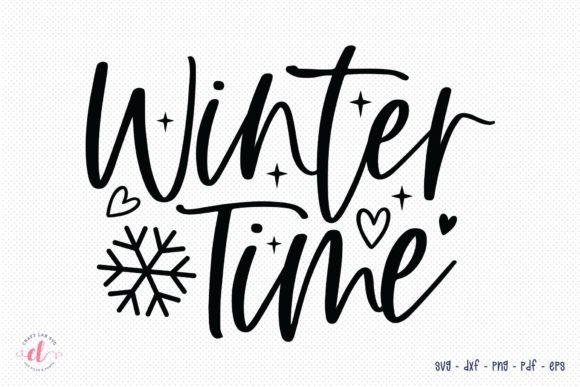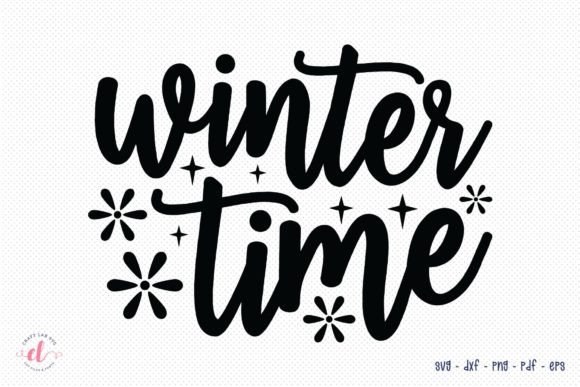
Winter Time SVG Review
As a designer who spends more time troubleshooting stitch paths than actually designing, I approach every new digital asset with a mix of hope and skepticism. We all know the drill: you buy a file that looks stunning in the preview window, only to find it turns into a tangled mess on the hoop. That is why I treat Winter Time SVG Winter SVG Cut File not just as a graphic, but as a blueprint for a physical product. When evaluating this design for real-world application—specifically for my own craft business and client commissions—I look beyond the aesthetic appeal to how it will hold up under the needle.
First Impressions and Visual Personality
The moment you open the file, the mood is immediately established. This isn’t a generic snowflake clipart; it carries a distinct creative theme centered around the winter season. The layout feels balanced, suggesting a design that respects negative space—a crucial factor in embroidery where too much detail can lead to puckering or loss of definition. For an embroidery project intended for apparel or home decor, this balance is vital. It suggests a design that is meant to be read as quickly as it is seen, making it highly effective for quick-turnaround custom orders.
The visual personality leans towards cozy and inviting. Whether you are using this as a tote bag design or for holiday merchandise, the imagery evokes a sense of warmth despite the cold-weather subject matter. This emotional connection is what drives sales in the craft business. Buyers don’t just purchase a stitched image; they purchase the feeling of a crisp winter morning or a warm cup of cocoa. This design captures that sentiment effectively without relying on overly complex elements that might confuse the viewer.
Real-World Application Scenarios
To truly judge the utility of this embroidery file, I put it through a mental simulation of common production scenarios. Let’s say I am preparing a batch of personalized gifts for a local boutique. The first candidate is a heavy cotton canvas tote bag. The sturdy fabric provides a stable base, allowing the design to sit flat. If this file includes dense areas, the canvas will support them well. However, if the design relies heavily on fine lines, the texture of the tote bag might obscure them. In this case, the bold nature of the winter theme works in its favor, ensuring visibility even on textured surfaces.
Next, consider a soft fleece sweatshirt. This is a classic item for winter embroidery. The design’s theme aligns perfectly with the garment type. On a sweatshirt, the stitch density becomes critical. If the design features large areas of fill stitch, it needs to be robust enough to stand out against the plush fabric. Conversely, if it uses satin stitch for outlines or text, those edges need to be clean to prevent fraying or fuzziness. Winter Time SVG Winter SVG Cut File appears to have a structure that would translate well here, offering a professional finish that elevates a standard hoodie into a premium handmade product.
I also envision this design on baby clothes or nursery decor. The gentle, creative theme makes it suitable for delicate items like muslin blankets or onesies. Here, the concern shifts from durability to safety and comfort. The design should avoid excessive bulk, which could irritate sensitive skin. If the file allows for a lighter stitch count or utilizes running stitch for finer details, it would be an excellent choice for baby embroidery projects. The versatility of the file means it can bridge the gap between rugged adult apparel and delicate infant wear, provided the user adjusts their thread choices accordingly.
Technical Considerations and Potential Pitfalls
No design is perfect for every surface. There are specific situations where Winter Time SVG Winter SVG Cut File requires careful handling. Small hoop sizes are the first challenge. If the design contains intricate details or tiny lettering, shrinking it down to fit a 4x4 inch hoop may result in lost clarity. As a reviewer, I advise testing the design at your minimum target size before committing to a full run. If the details become muddy, it is better to scale up or choose a simpler motif for smaller items like caps or hats.
Fabric texture and stretch are also major factors. Embroidering on stretchy fabrics like jersey knit can cause distortion if the stabilizer is not chosen correctly. While the design itself may be sound, the execution depends heavily on the user’s technique. Similarly, dark fabrics require high-contrast thread colors. A light-colored winter theme might get lost on black fabric unless bright white or metallic threads are used. I recommend creating a printable mockup in black and white to check contrast levels before loading the machine.
Another area of caution is curved surfaces. Applying this design to a cap or a rounded pillow cover requires precise digitizing adjustments to account for the curve. If the original file is flat, warping it around a curve can distort the proportions of the quote or the central image. For custom apparel like aprons or tea towels, which are relatively flat, this is less of a concern, making these items safer bets for beginners.
Practical Designer Notes for Execution
- Test on Scrap Fabric: Always run a test stitch on a scrap piece of the final fabric. This reveals issues with tension, puckering, or color blending that aren't visible on screen.
- Check Thread Contrast: Ensure the thread colors pop against the fabric. Low contrast can make a beautiful design look dull and unprofessional.
- Review Stitch Density: High density can cause fabric distortion, especially on lightweight materials. If the design feels too heavy, consider reducing the fill density or adding pull compensation.
- Inspect Small Details: Zoom in on the vector file. Are there any overlapping paths or tiny isolated elements that might not stitch out cleanly?
- Confirm Licensing: Before selling finished items, verify the commercial use rights. Some files allow personal use only, while others permit unlimited commercial sales. This distinction is crucial for Etsy sellers and small shop owners.
Impact on Brand and Customer Trust
Using a well-executed design like Winter Time SVG Winter SVG Cut File directly impacts customer trust. A clean, professionally embroidered product signals quality. When a buyer receives a personalized gift with sharp edges and consistent stitching, they are more likely to leave positive reviews and return for future purchases. In the competitive world of digital product sellers and handmade shops, presentation is everything. A design that translates easily to a high-quality finished product reduces returns and complaints, saving time and reputation.
Furthermore, the creative theme of this file supports brand consistency. If your shop specializes in seasonal goods, having a reliable library of thematic designs allows you to launch collections quickly. This design fits seamlessly into a winter collection, whether it is paired with other motifs or used as a standalone statement piece. It adds value to your inventory without requiring extensive customization.
Final Verdict
In conclusion, Winter Time SVG Winter SVG Cut File is a versatile and visually appealing asset for designers and makers. Its strong winter theme and balanced layout make it suitable for a wide range of applications, from commercial embroidery projects to heartfelt personalized gifts. While it performs best on stable, flat fabrics like canvas and fleece, users must remain cautious with small details and stretchy materials. By following proper testing protocols and paying attention to thread selection, this design can elevate your craft business offerings. It is a solid addition to any design assets library, particularly for those looking to capitalize on the holiday and winter seasons with professional-grade results.